Buffing vs Polishing – The Truth About Paint Correction
Swirl marks and gloss issues often come from confusion between buffing and polishing—two distinct techniques in the paint correction process. This guide explains how each method works, when to use them, and why true correction goes beyond shine. Whether tackling light swirls or deeper defects, knowing the difference is key to restoring clarity.
🔹What Is Paint Correction?
Understanding the difference between Buffing vs Polishing – The Truth About Paint Correction is essential before any work begins. Paint correction is the process of removing surface defects—swirl marks, oxidation, water spots, and light scratches from a vehicle’s clear coat. It’s not a wax job or a quick polish. True correction involves leveling the paint surface to restore clarity and gloss without compromising the integrity of the finish. Swirl marks and gloss issues often come from confusion between buffing and polishing—two distinct techniques in the paint correction process. This guide explains how each method works, when to use them, and why true correction goes beyond shine. Whether tackling light swirls or deeper defects, knowing the difference is key to restoring clarity.
Professional correction starts with inspection: identifying the type and depth of damage, measuring clear coat thickness, and determining whether the defects are removable or permanent. This isn’t cosmetic—it’s restorative.
🔹Buffing vs Polishing — What’s the Difference in Paint Correction?
Though often used interchangeably, buffing and polishing are distinct techniques with different goals:
| Technique | Purpose | Tools | Risk Level |
|---|---|---|---|
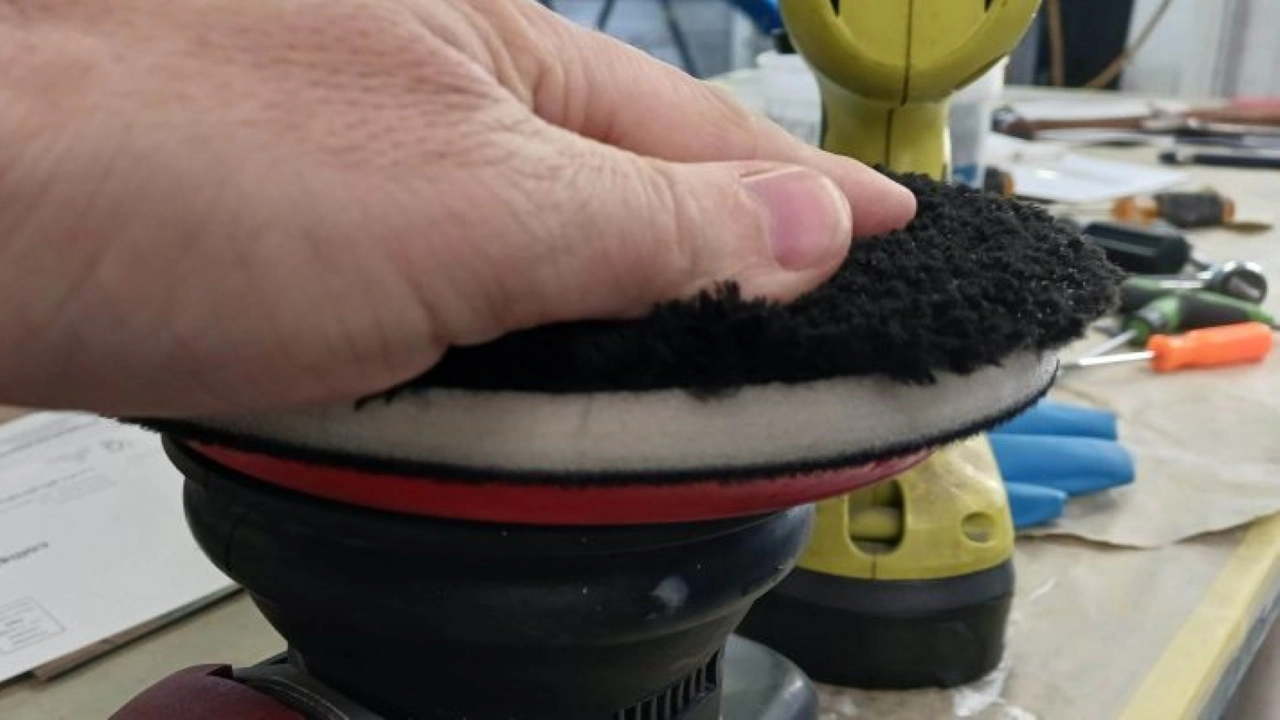
| Buffing | Aggressive defect removal | Rotary buffer, wool pad, compound | High (can burn paint) |
| Polishing | Refining gloss and clarity | Dual-action polisher, foam pad, polish | Moderate (safe with proper technique) |
- Buffing uses abrasive compounds to cut into the clear coat and remove deeper defects.
- Polishing uses finer abrasives to refine the surface after buffing or to remove light swirls.
Both are part of the paint correction process—but they’re not interchangeable.
🔹Choosing Between Buffing and Polishing in Paint Correction
- Buffing is reserved for heavy swirl marks, oxidation, or sanding marks after wet sanding.
- Polishing is used for light swirl removal, gloss enhancement, and finishing after compound stages.
A professional detailer will often perform multiple stages:
- Inspection under multiple light sources
- Cutting with compound and rotary
- Polishing with DA and finishing polish
Choosing between buffing and polishing isn’t just about defect severity – it’s about the paint system, customer expectations, and long-term protection goals. A seasoned technician will always prioritize the least aggressive method first, escalating only when necessary to preserve clear coat integrity.
Internal links: → Explore our scratch removal guide for finish-safe correction
🔹Common Mistakes and Breakthrough Risks
DIY buffing often leads to:
- Holograms from improper pad movement
- Burn-through from excessive heat or pressure
- Uneven gloss from skipping polish stages
Paint correction should never be rushed. Every panel has different curvature, thickness, and risk factors. Professionals use paint depth gauges and test spots before committing to full correction.
🔹Swirl Marks and the Paint Correction Process
Swirl marks are circular micro-scratches caused by improper washing, automatic car washes, or dirty towels. They scatter light and dull the finish.
Removing them requires:
- Proper pad and polish pairing
- Controlled machine movement
- Clean working environment
It’s not just about removing what you see—it’s about restoring optical clarity. The right paint correction process ensures that light reflects evenly across the surface, eliminating haze and restoring that deep, mirror-like finish.
🔹How Professionals Inspect Paint Damage
Before any correction begins:
- Lighting: LED, halogen, and sunlight angles reveal defects
- Paint Thickness: Measured to avoid breakthrough
- Contaminants: Removed via clay bar and decontamination wash
- Test Spot: Performed to dial in pad, polish, and machine combo
This inspection phase is what separates a true paint correction process from guesswork. It’s the visual proof of transformation—and it’s where buffing and polishing must work in harmony.
🔹Why Paint Correction Isn’t a DIY Job
Even with the right tools, paint correction demands:
- Experience with machine control
- Knowledge of paint systems (single-stage vs clear coat)
- Ability to read paint behavior under heat and pressure
One mistake can lead to irreversible damage. That’s why true correction is a premium service—not a weekend project.
Summary
This guide clarifies Buffing vs Polishing — The Truth About Paint Correction and why each step matters. Buffing and polishing are often confused, but they serve distinct roles in professional paint correction. Buffing uses aggressive compounds to remove deeper defects like swirl marks and oxidation, while polishing refines the finish to restore clarity and gloss. When performed correctly, these techniques can dramatically improve a vehicle’s appearance—but they require expert inspection, proper tools, and disciplined technique to avoid damaging the paint. This article breaks down the differences, risks, and inspection methods behind true paint correction. For a deeper breakdown of how compounds and polishes work together in paint correction, Chemical Guys offers a clear comparison.
Additional Internal links:
- This guide is part of our Auto Detailing Resource Hub — explore more prep and protection tips.
- Learn more about Auto Detailing on our main service page — see how the process works from start to finish.
- Have more questions? Visit our Auto Detailing FAQ for quick, clear answers.