How to Remove Bugs from Car Paint
Bug splatter isn’t just a cosmetic nuisance — it’s a chemical threat to your clear coat. Left untreated, it can etch into the paint, stain the surface, and compromise your vehicle’s finish. This guide explains how to remove bugs from car safely and perform bug removal without damaging car paint using inspection-first techniques and professional-grade tools.
🔹Why Bug Removal Matters
Bug splatter isn’t just a cosmetic nuisance — it’s a chemical threat to your clear coat. Left untreated, it can etch into the paint, stain the surface, and compromise your vehicle’s finish. This guide shows you how to remove bugs from car paint safely, using professional-grade techniques that avoid damage and support long-term protection.
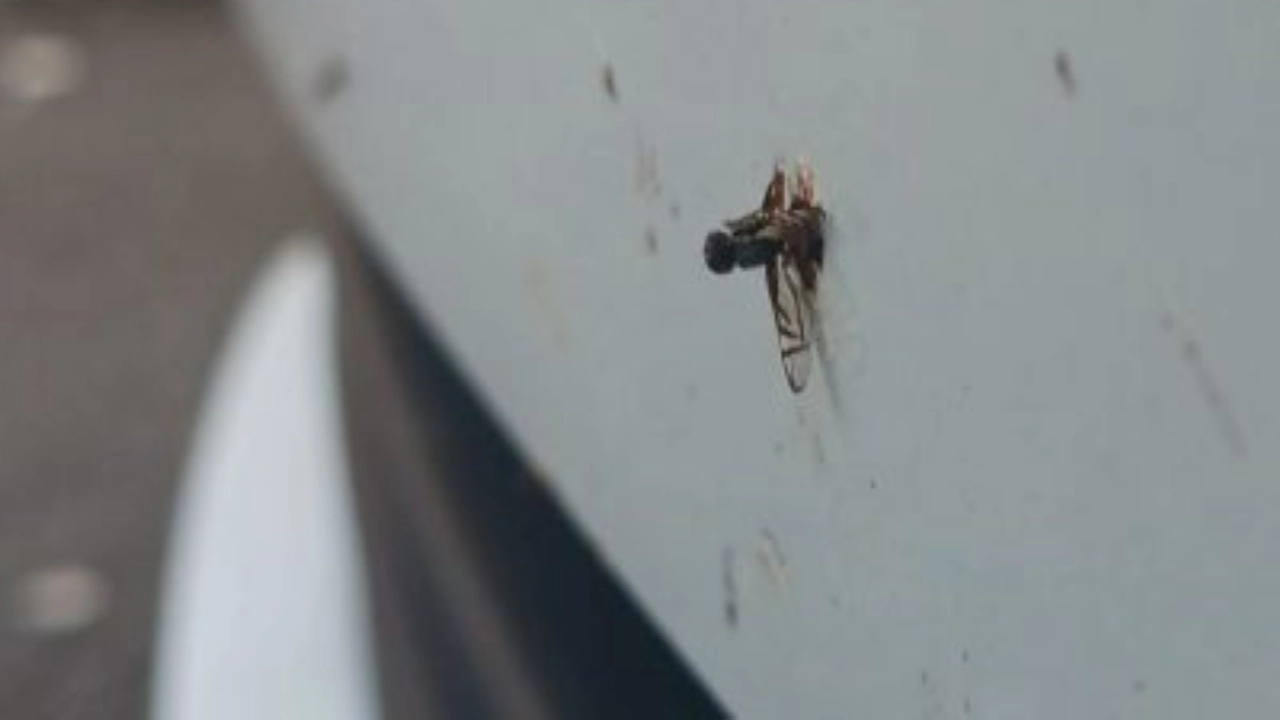
Bug residue is acidic and reactive. If left on your paint:
- It can etch into the clear coat within hours
- Harden and bond to the surface, making removal risky
- Leave ghosting or permanent stains
- Interfere with ceramic coatings or wax layers
- Accelerate oxidation and clear coat failure
Key takeaway: Bug removal isn’t optional — it’s a critical part of seasonal paint maintenance.
🔹How to Remove Bugs from Car Without Damaging Paint
Step-by-Step Process
- Pre-Soak with Bug-Safe Cleaner Use a pH-neutral bug remover or citrus-based pre-wash. Let it dwell for 2–5 minutes.
- Gentle Agitation with Bug Sponge Use a soft mesh bug sponge or microfiber mitt. Avoid pressure — let the product do the work.
- Clay Bar Inspection Pass After rinsing, use a clay bar to remove embedded residue. Lubricate generously.
- Solvent Spot Treatment (If Needed) For stubborn spots, use a paint-safe solvent like isopropyl alcohol or tar remover. Test first.
- Final Wash and Dry Rinse thoroughly, then dry with a clean microfiber towel.
What Not to Do
Avoid these common mistakes:
- ❌ Using dish soap or household cleaners
- ❌ Scrubbing with paper towels or abrasive pads
- ❌ Letting bug remover dry on the surface
- ❌ Skipping inspection lighting or clay bar checks
🔹Tools to Remove Bugs from Car Without Damaging Paint
These tools support bug removal without damaging car paint — especially when paired with proper lighting and lubrication.
- Bug sponge (mesh or microfiber)
- Clay bar with lubricant
- Isopropyl alcohol (10–20% dilution)
- pH-neutral bug remover
- Microfiber towels
Internal links: → Explore our clay bar guide for finish-safe decontamination
Pro Tip: Always test solvents on a hidden area first. Never use high-alkaline degreasers on paint.
🔹Bug Removal Without Damaging Car Paint: Expert Tips
To protect your finish:
- Use angled inspection lighting to spot etching
- Lubricate every contact method — sponge, clay, towel
- Avoid circular scrubbing — use straight-line motions
- Follow up with a sealant or ceramic coating to prevent future bonding
🔹Seasonal Tips to Remove Bugs from Car
Spring & Summer:
- Wash bugs off weekly
- Keep a bug remover spray in your trunk
- Apply a sacrificial layer of wax or sealant
Fall & Winter:
- Less bug activity, but still inspect after long drives
- Reapply protection before winter road grime sets in
Summary
Bug residue isn’t just unsightly — it’s acidic, stubborn, and capable of damaging your car’s clear coat within hours. This guide explains how to remove bugs from car paint safely using inspection-first techniques, pH-neutral cleaners, and paint-safe tools. Whether you’re prepping for ceramic coating or maintaining a flawless finish, proper bug removal protects your investment and prevents long-term damage. Proper bug removal without damaging car paint requires patience, technique, and the right inspection tools. For a deeper look at safe bug removal techniques and product comparisons, check out this expert guide from Paint Loving.
Additional Internal links:
- This guide is part of our Auto Detailing Resource Hub — explore more prep and protection tips.
- Learn more about Auto Detailing on our main service page — see how the process works from start to finish.
- Have more questions? Visit our Auto Detailing FAQ for quick, clear answers.