When Doesn’t Paintless Dent Repair Work
Paintless Dent Repair is fast, clean, and effective — but it has limits. When metal is overstretched, paint is cracked, access is blocked, or a body line is crushed, PDR simply won’t work. This guide breaks down the key limitations of paintless dent repair, why certain dents fail, and what your best next steps are when PDR isn’t an option.
🔹 Limits of Paintless Dent Repair: Why It Sometimes Fails
PDR works by gently massaging the metal back into shape without disturbing the paint. But not every dent qualifies. Some damage is too severe, too complex, or lands in areas that PDR tools can’t reach. Below are the most common reasons when paintless dent repair doesn’t work — even when it seems like it should.
🔸Common PDR Limitations
- Severely stretched metal When the metal has ballooned or thinned, it loses its memory. PDR relies on elasticity — and once that’s gone, clean repair isn’t possible.
- Sharp body line blowouts Dents that crush or fold body lines can permanently distort the geometry. Even if the surface looks smooth, the structural line may never track right again.
- Paint damage or cracking PDR is a non-paint method. If the impact has chipped, cracked, or spidered the finish, pushing the dent out won’t fix the paint — and may make it worse.
- Panel edge crushes Damage near the edge of a panel often lacks the flexibility and access needed for clean repair. These reinforced zones are less forgiving.
- Double-wall or braced areas Some dents land in spots with internal bracing or crash structures. If tools can’t reach the backside cleanly, PDR may not be viable.
- Aluminum panel limitations Aluminum behaves differently than steel. It has less memory, more springback, and a higher risk of cracking. Some aluminum dents are fixable — many aren’t.
- Severe creases or folds Deep creases involve multiple stress points. Even if the surface improves, the metal may ripple or distort under light.
- Previous bodywork or filler If the panel has been repaired before — especially with filler — it may not respond to PDR. The tools can’t move what isn’t metal.
Internal links: → Explore the common myths about paintless dent repair
🔹 When Doesn’t Paintless Dent Repair Work: What Happens Next
If your dent falls into one of these categories, it doesn’t mean you’re out of options — it just means PDR isn’t the right tool. Depending on the severity, you may need repainting, panel replacement, or touch-up work. The key is knowing when to pivot, and choosing the repair path that protects your finish, your safety, and your budget.
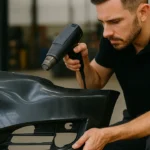
While PDR doesn’t apply to plastic bumpers in the traditional sense, some technicians can reshape bumper dents using heat and controlled pressure. It’s not true PDR, but in the right hands, it can still be a useful option. → Does PDR Work on Plastic Bumpers?
🔹 Body Shop Referrals: When They’re the Right Call
When paint damage or structural issues rule out PDR, a skilled body shop becomes the right solution. The best shops know when to pivot and prioritize what’s best for the car — not just the invoice. That said, not every shop handle PDR the same way. If you’ve ever felt unsure whether all your options were explained, you’re not alone.
Internal links: → Learn why body shops don’t always mention paintless dent repair
🔹 Insurance Decisions: When Filing Makes Sense
If the damage is severe enough to justify a claim, filing through insurance can be a smart move. It’s your coverage, and you have every right to use it.
Just make sure you understand how claims can affect your premiums, deductibles, and repair control.
Internal links: → See how insurance decisions impact paintless dent repair options
🔹 Know Before You Commit: Is Paintless Dent Repair Right for Your Dent?
Not every dent qualifies for Paintless Dent Repair — and the difference isn’t always obvious. Factors like metal stretch, paint condition, and panel access can make or break the repair. That’s why a visual evaluation matters.
A few clear photos can reveal whether the damage falls within the safe limits of PDR or not. It’s not about selling a service — it’s about helping you make an informed decision before investing time or money in the wrong direction.
Internal links: → Example of PDR on a Fender Dent – this is getting close to the limits of a master tech
Summary
Paintless Dent Repair is an incredible tool — but like any method, it has its boundaries. Knowing when paintless dent repair doesn’t work helps you avoid wasted time, protect your finish, and choose the right path forward. Whether your dent qualifies or not, understanding the limits of paintless dent repair puts you in control. And when PDR isn’t viable, you still have smart options — from trusted body shops to informed insurance decisions — all rooted in clarity, not guesswork. For a deeper look at how technicians assess damage and decide when PDR isn’t viable, check out this overview of the real-world limits of paintless dent repair.
Additional Internal links:
- This guide is part of our Paintless Dent Repair Resource Hub — explore more prep and protection tips.
- Learn more about Paintless Dent Repair on our main service page — see how the process works from start to finish.
- Have more questions? Visit our Paintless Dent Repair FAQ for quick, clear answer