How to Remove Scratches Without Damaging Paint
Scratches aren’t just cosmetic — they test your technique. Buff too hard and you risk burning through the clear coat. Use the wrong compound and you might haze the finish or leave swirl marks. This guide shows how to remove scratches from car paint safely, using the right tools and inspection methods for effective car scratch removal without making things worse.
🔹Car Scratch Removal Starts with Understanding the Paint
Proper inspection is the foundation of safe car scratch removal. Not all scratches reach the same depth — and not all require the same approach. The first step in any car scratch removal process is identifying how deep the damage goes.
Types of Scratch Layers
- Clear coat scratches: Most common and safest to correct
- Base coat damage: Requires more aggressive correction
- Primer exposure: Risk of breakthrough and uneven finish
- Metal gouges: May require touch-up or repainting
💡 Inspection Tips
- Use swirl finder lights or bright LEDs at an angle
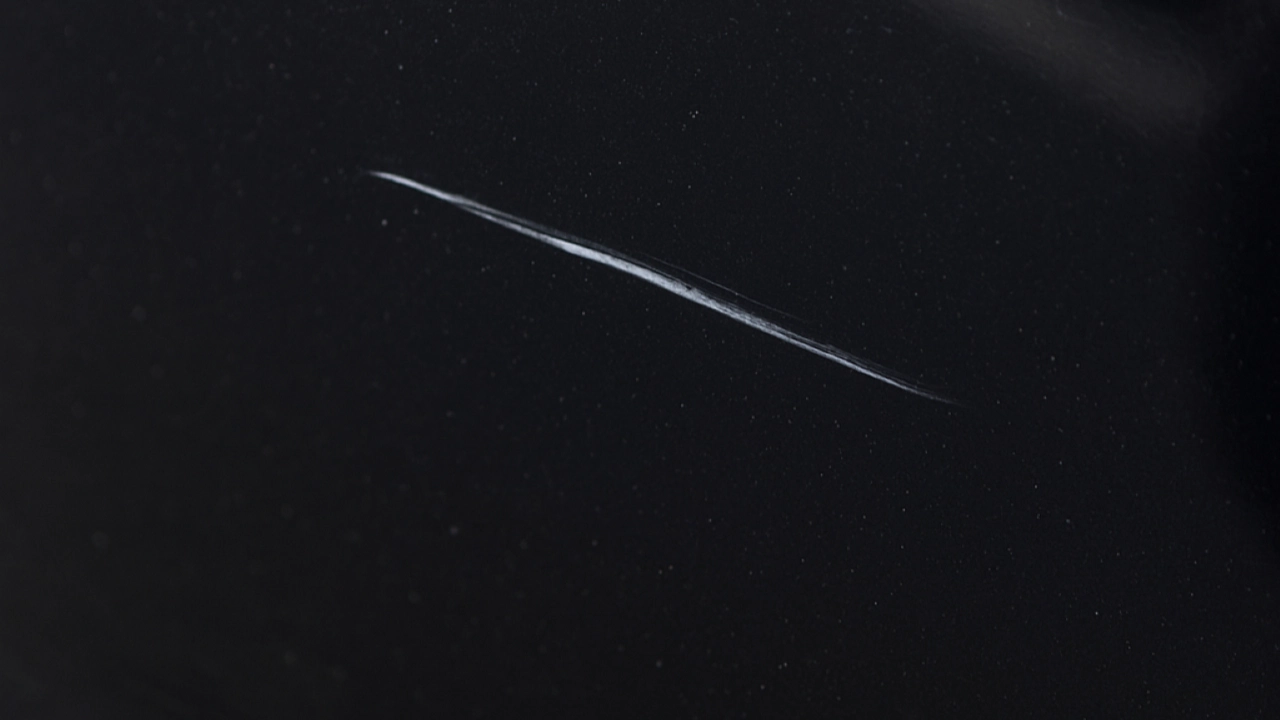
- Look for color contrast: white haze = clear coat, dark shadow = deeper
- Run a fingernail across the scratch — if it catches, it’s deeper than clear coat
🖼️ Visual Metaphors
Think of scratches as valleys in the paint. Buffing is like beveling the edges to make the valley shallower. Under inspection lighting, these valleys refract light like a rainbow — the sharper the refraction, the deeper the cut.
🔹Choosing the Right Tool for Auto Scratch Repair
Buffing is powerful — but it can also be destructive if done wrong. Here’s how to fix paint scratches on a car without risking the finish. Choosing the Right Tool for Auto Scratch Repair is critical.
🔧 Tool Types
- Random orbital polishers: Safer for beginners, less heat
- Rotary polishers: More aggressive, better for deep correction
- Dual-action polishers: Balanced control for swirl removal
🧽 Pad Selection
- Foam pads: Versatile and safe for clear coat
- Microfiber pads: More cut, good for moderate scratches
- Wool pads: High cut, best for rotary use only
⚠️ Safety Tips
- Avoid edges, body lines, and trim — clear coat is thinner there
- Keep the pad flat and moving to prevent heat buildup
- Tape off sensitive areas before starting
Internal links: → Explore our buffing vs polishing guide to understand paint correction → Explore our paint correction showcase in action for proof
🔹The Right Compound Can Make or Break Your Paint Correction
Choosing the right compound is essential when learning how to remove scratches from car paint without damaging the finish. Using the wrong abrasive is one of the fastest ways to damage paint. Here’s how to choose wisely.
🧪 Abrasive Types
- Rubbing compound: Heavy cut, for deep clear coat scratches
- Micro compound: Medium cut, ideal for swirl removal
- Finishing polish: Low cut, restores gloss after correction
🧠 How Abrasives Work
Compounds contain microscopic abrasives that level the surface by removing high points around the scratch. The goal is to blend the scratch into the surrounding paint — not erase it entirely.
❌ Common Mistakes
- Overcutting: removing too much clear coat
- Hazing: dull finish from improper pad or compound
- Micro-marring: tiny scratches from dirty pads or poor technique
🔹Car Scratch Removal for Deep Scratches: How to Stay Safe
Wet sanding is a high-risk but effective method for advanced car scratch removal. Wet sanding is a last resort — but when done right, it can save a panel from repainting.
📏 Grit Progression
- Start with 1500 grit for moderate scratches
- Move to 2000 grit for refining
- Finish with 3000 grit before polishing
💧 Technique Tips
- Use plenty of lubrication (water + sanding solution)
- Wrap sandpaper around a soft block for even pressure
- Sand in straight lines, not circles
⚠️ Risk Management
- Watch for breakthrough: sudden color change or dull patch
- Stop immediately if primer or metal is exposed
- Always follow with compound and polish to restore gloss
Internal links: → Explore our wet sanding guide for advanced paint refinement
🔹Swirl Marks vs. Scratches: How to Remove Scratches from Car Paint Safely
Swirls are micro-abrasions caused by improper washing, dirty pads, or rushed buffing. They scatter light and kill gloss. Swirl marks may not be deep, but they still fall under car scratch removal when gloss is compromised.
🧼 How to Remove Swirls
- Use a finishing polish with a soft foam pad
- Work in small sections with low speed and pressure
- Inspect under direct lighting from multiple angles
🔦 Final Gloss Check
- Look for uniform reflection and clarity
- Use cross-lighting to spot residual haze
- Apply a sealant or ceramic coating to lock in results
🔹When Scratches Rust, You Need More Than Buffing
If rust has formed, traditional methods for how to remove scratches from car paint may no longer apply. Once rust sets in, standard methods for how to remove scratches from car paint are no longer safe. If a scratch exposes bare metal, oxidation begins quickly. Here’s how to stop it.
🧪 Rust Control Steps
- Clean the area with isopropyl alcohol
- Dry metal with heat gun or hair dryer
- Apply rust converter or primer
- Seal with touch-up paint or clear coat
🧰 Touch-Up Options
- OEM touch-up kits: Color-matched, easy to apply
- Clear coat sealers: Protect exposed areas without full repaint
- Paint pens: Good for small chips and linear scratches
🛡️ Temporary Protection
Until you can get professional auto scratch repair, keep the area clean, dry, and sealed. Wax or sealant can help prevent further damage.
Internal links: → Explore our rust removal guide for safe metal restoration
🔹When Car Scratch Removal Isn’t Enough — Call a Pro
DIY scratch removal has limits. If you notice any of the following, it’s time to call a pro:
🚨 Warning Signs
- Primer or metal exposure
- Uneven finish or dull patches
- Burn-through or pad trails
- Deep gouges across multiple panels
Internal links: → Explore our detailer search guide to find trusted professionals
Summary
Removing scratches from car paint requires more than just buffing — it demands precision, inspection, and the right tools. This guide walks through every step of safe car scratch removal, from identifying scratch depth to choosing compounds, pads, and wet sanding techniques. Whether you’re fixing paint scratches on a car at home or deciding when to call a pro, you’ll learn how to protect your finish and restore gloss without risking damage. For a professional perspective on which scratches can be safely removed through detailing, this guide from Chris Details breaks down the limits of correction and when to seek expert help.
Additional Internal links:
- This guide is part of our Auto Detailing Resource Hub — explore more prep and protection tips.
- Learn more about Auto Detailing on our main service page — see how the process works from start to finish.
- Have more questions? Visit our Auto Detailing FAQ for quick, clear answers.