Advantages of Paintless Dent Repair (The Smarter Choice)
Paintless Dent Repair (PDR) is the preferred way to fix dents and hail damage because it restores the metal without sanding, fillers, or repainting. For most drivers, the Advantages of Paintless Dent Repair come down to preserving the factory finish and saving money.
🔹What Makes Paintless Dent Repair Different?
Paintless Dent Repair is a restorative process, not a cosmetic cover‑up. Traditional body shop repairs rely on sanding, fillers, primer, and repainting to hide the damage. PDR works with the metal itself, gently massaging the dent out from behind the panel while preserving the original paint.
| 👁️ What You Care About | PDR | Traditional Body Shop |
|---|---|---|
| Factory Paint Preserved | ✔ Yes | ✘ No — repainting required |
| Repair Time | ✔ Hours–Days | ✘ Days–Weeks |
| Cost | ✔ Lower | ✘ Higher |
| Carfax / Diminished Value | ✔ Avoided | ✘ Often reported |
🔸This difference matters for three reasons:
- Your factory paint is stronger and more durable than any repaint
- Repairs are faster because there’s no paint curing time
- Your vehicle keeps its original finish, which protects resale and lease‑return value
For a full breakdown, see: → Paintless Dent Repair vs Body Shop: What They Won’t Tell You
🔹What a PDR Repair Actually Looks Like
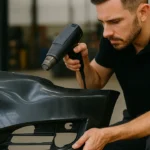
If you’ve never seen PDR in action, it’s surprisingly clean and precise. A technician gains access behind the dent, uses specialized tools to massage the metal back into place, and restores the panel without disturbing the paint.
For a full breakdown, see: → To see a real example with step‑by‑step video results and camera panning: View our progression page showing a full PDR repair
🔹The Key Advantages of Paintless Dent Repair
Below is a clear, expert‑level breakdown of why PDR is the smarter choice for most dent repairs.
⭐ 1. Preserves Your Factory Paint
🔸Why this matters:
Your original paint is the strongest, most durable finish your vehicle will ever have. Once a panel is repainted, it’s never the same.
- No repainting or blending
- No mismatched panels
- No risk of overspray
- No clear‑coat texture differences
- Critical for resale, trade‑in, and collectors
PDR keeps your vehicle as original as possible — which is exactly what buyers, dealers, and inspectors want.
⭐ 2. Faster Repairs (Often Same‑Day)
Most small dents and door dings can be repaired in under an hour. Even larger dents or hail damage are typically completed far faster than body shop repairs.
🔸Typical timelines:
- Door dings: 20–60 minutes
- Medium dents: 1–3 hours
- Hail damage: 1–3 days (vs. weeks at a body shop)
No sanding, no fillers, and no paint curing means you get your vehicle back quickly.
⭐ 3. Lower Cost Than Body Shops
Because PDR avoids the labor‑heavy steps of traditional repair, it’s naturally more affordable.
🔸What you’re not paying for:
- Paint
- Primer
- Fillers
- Sanding
- Paint booths
- Hazardous waste disposal
For out‑of‑pocket repairs, PDR is almost always the most cost‑effective option.
⭐ 4. Helps Maintain Vehicle Value
This is one of the most overlooked advantages — and one of the most important.
🔸PDR helps you avoid:
- Carfax reports
- Diminished value
- Repaint flags
- Lease‑return penalties
When a panel is repainted, it’s often recorded as an accident‑related repair. That can reduce resale value more than the dent itself. For a full breakdown, see: → Insurance Claim vs Paintless Dent Repair: What Every Driver Should Know
As a PDR company, we understand the insurance system from the inside. We know exactly how to work with insurers when claims are filed — and how to protect your vehicle’s value in the process.
⭐ 5. Eco‑Friendly and Clean
PDR is the cleanest repair methods in the automotive industry.
🔸No:
- Chemicals
- Paint waste
- VOCs
- Sanding dust
- Hazardous materials
It’s a simple, environmentally friendly process that restores the metal without creating waste.
⭐ 6. Ideal for Hail Damage
Hail damage is where PDR truly shines.
🔸Why PDR is the best solution for hail:
- Faster turnaround
- Insurance‑approved
- Works on aluminum hoods and roofs
- No repainting or blending
- Restores the vehicle to pre‑storm condition
For hail‑damaged vehicles, PDR is the industry standard.
⭐ 7. Safe for Aluminum Panels
Aluminum behaves differently than steel — it’s stiffer, more elastic, and requires a different approach. PDR is one of the few repair methods that works exceptionally well on aluminum when performed by an experienced technician.
For a full breakdown, see: → Aluminum vs Steel: What It Means for Dent Repair
⭐ 8. Safe for Electric Vehicles (EVs)
EVs require careful handling due to battery placement, wiring, and panel construction. PDR is a safe, non‑invasive method that avoids heat, grinding, and chemicals — making it ideal for EVs.
For a full breakdown, see: → Learn about PDR and electric vehicles
⭐ 9. Perfect for Modern Thin‑Metal Vehicles
Modern vehicles use thinner, more flexible metal to reduce weight and improve fuel efficiency. This metal has excellent “memory,” which makes it ideal for PDR.
🔸Benefits:
- Cleaner results
- Faster repairs
- Less risk of cracking paint
PDR works with the metal — not against it.
⭐ 10. Ideal for Lease‑Return Inspections
Lease inspectors flag anything that looks repainted. PDR keeps the factory finish untouched, helping you avoid unnecessary lease‑return fees.
🔸Lease inspectors look for:
- Repainted panels
- Blending
- Overspray
- Non‑OEM finishes
PDR avoids all of these.
🔸Why this matters:
- No repaint flags
- No panel replacement
- No end‑of‑lease penalties
- Keeps the vehicle in OEM condition
For a full breakdown, see: → (coming soon) This sets up your future Lease Return PDR article perfectly.
🔹Myth‑Busting: Clearing Up Common Misconceptions
A few myths still circulate about PDR. Let’s clear them up.
- Myth #1 — PDR is only for tiny dents
- Myth #2 — PDR can damage the paint
- Myth #3 — PDR can’t fix aluminum
For a full breakdown, see: → 11 Paintless Dent Repair Myths That Mislead Drivers and Cost Them Money
🔹When PDR Is NOT the Best Choice
PDR is incredibly effective, but it’s not universal. Deep paint damage, sharp creases, or stretched metal may require traditional repair.
For a full breakdown, see: → When Paintless Dent Repair Doesn’t Work
Summary
Paintless Dent Repair is the smarter choice for most dents, dings, and hail damage. It preserves your factory paint, protects your vehicle’s value, avoids repainting, and delivers faster, cleaner results.
Additional Internal links:
- This guide is part of our Paintless Dent Repair Resource Hub — explore more prep and protection tips.
- Learn more about Paintless Dent Repair on our main service page — see how the process works from start to finish.
- Have more questions? Visit our Paintless Dent Repair FAQ for quick, clear answer