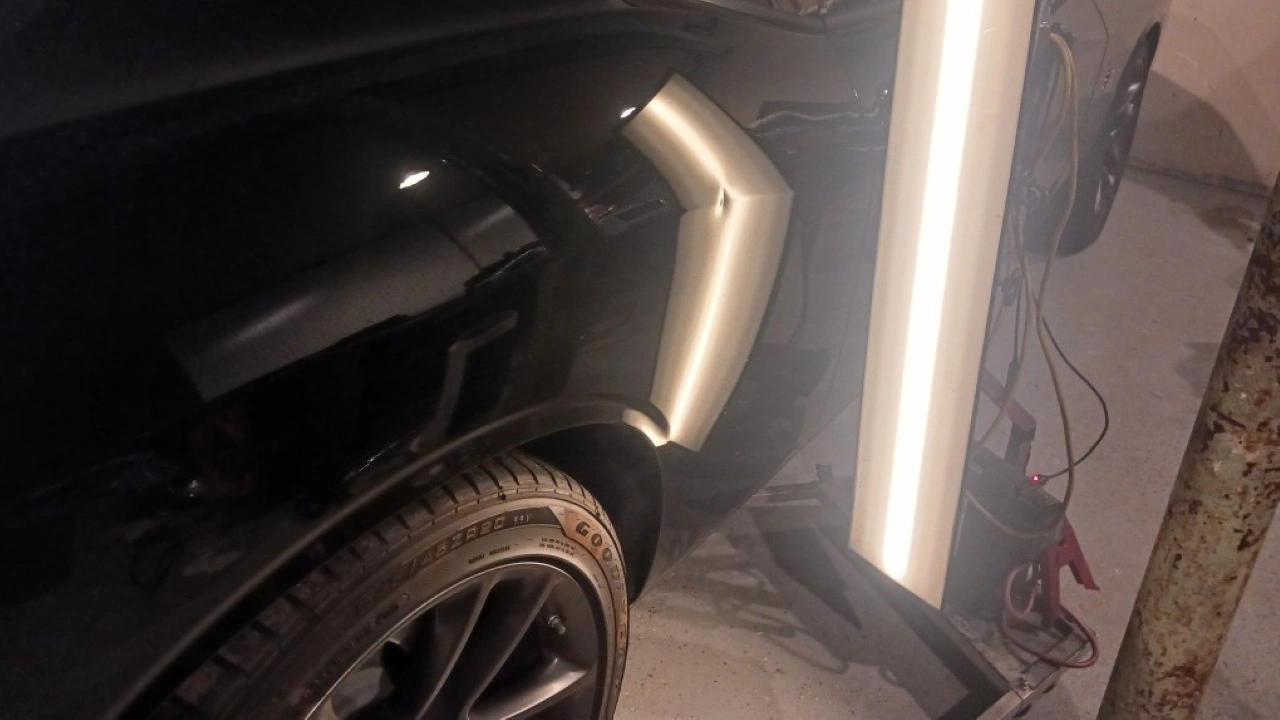
What Dents Can PDR Fix?
Paintless Dent Repair can fix many dents as long as the paint is intact and the metal hasn’t overstretched. Shallow dents, door dings, hail damage, and even some body‑line dents repair cleanly when a technician can access the backside of the panel. This guide explains which dents qualify for PDR and when damage requires more advanced methods.
🔹Dents PDR Fixes Easily
These dents have minimal stretching, clean impact points, and predictable metal behavior — making them the most reliable PDR candidates.
🟢 Ideal / “Textbook PDR” Dents
| Dent Type | Why It’s Easy |
|---|---|
| Shopping cart dings | Small influence area, shallow stretch |
| Door dings | Good access, metal memory intact |
| Light hail / acorn dents | Small, round, predictable |
| Small dents under ~3–4 inches | Minimal stretch, clean shape |
For a full breakdown, see: → How PDR works
🔹Dents PDR Can Fix With Skill
These dents are repairable, but require advanced tension control, crown management, and precise tool access.
🟡 Skilled‑Tech Repairs
| Dent Type | Why It’s Harder |
|---|---|
| Creases | Long stretch area, uneven tension |
| Large dents | Wider influence area, more metal movement |
| Dents over intrusion beams | Limited access, metal locked in place |
| Glue‑pulled dents | Any glue pull requires finesse to avoid highs |
Note: “Any glue‑pulled dents” fall into this category because they require more control and risk management.
🔹Dents PDR Sometimes Fixes (Case‑by‑Case)
These dents depend heavily on metal type, stretch severity, and whether the technician can reach the backside.
🟠 “Maybe” Repairs
| Dent Type | Fixability Depends On |
|---|---|
| Body line dents | Stretch severity + paint flex |
| Roof rail dents | Access + metal type |
| Sharp dents on aluminum | Aluminum’s low tolerance for stretch |
| Edge dents | Panel design + tool access |
For a full breakdown, see: → Step‑by‑step breakdown of the process & see: → PDR on aluminum panels
🔹Dents PDR Cannot Fix
Some dents exceed the limits of metal memory, paint flexibility, or structural integrity — making PDR the wrong solution.
🔴 Not Repairable With PDR
| Dent Type | Why Not Fixable |
|---|---|
| Torn metal | Structural failure |
| Cracked paint | Paint already compromised |
| Severely overstretched dents | No metal memory left |
| Double‑panel crush damage | No access + structural deformation |
For a full breakdown, see: → Myths about PDR & see: → When PDR doesn’t work
🔹How a Technician Decides If a Dent Is Fixable
Your evaluation process is based on metal behavior, access, and how much the panel has stretched.
🧠 Your Decision Checklist
| Factor | Why It Matters |
|---|---|
| Stretch severity | Determines metal memory + final result |
| Metal type (steel vs aluminum) | Aluminum tears easier, less forgiving |
| Access from beneath | Most important factor for clean results |
| Paint condition | Cracks = no PDR |
| Crown/tension layout | Controls how the panel will move |
Rule of thumb: “How bad the stretch is vs. the metal type & access.”
Summary
Paintless Dent Repair can fix a wide range of dents, from everyday door dings to complex creases and large stretched areas — as long as the metal, paint, and access allow it. The key is understanding how the metal stretched and whether a skilled technician can safely move it back into shape. With the right conditions and the right expertise, PDR delivers clean, factory‑level results without repainting. For a broader industry explanation of the process, this overview from Nobilis is a solid reference: What is Paintless Dent Repair?
Additional Internal links:
- This guide is part of our Paintless Dent Repair Resource Hub — explore more prep and protection tips.
- Learn more about Paintless Dent Repair on our main service page — see how the process works from start to finish.
- Have more questions? Visit our Paintless Dent Repair FAQ for quick, clear answer